Khaleeji Zain Post-Tournament Analysis
%25201%2520(1)-min.png)
.webp)
Back in January, I wrote about what the 26th Arabian Gulf Cup (Khaleeji Zain 26) meant for Kuwait in the days after the final whistle. Since then, the official numbers from EXCPR and the tournament organisers have landed. They are worth going through carefully, because they tell two stories at once. One is a story about what Kuwait can pull off when it wants to. The other is about what the country failed to do with the visitors once they arrived. Hotels had a good month. Most of them did not turn that month into anything that lasts. That is the part that nobody in the hospitality sector wants to talk about, and it is the part I want to start with before we get to the headline figures.

What the Numbers Actually Say
The headline numbers from the tournament are real and worth repeating without dressing them up.
- Attendance and who showed up
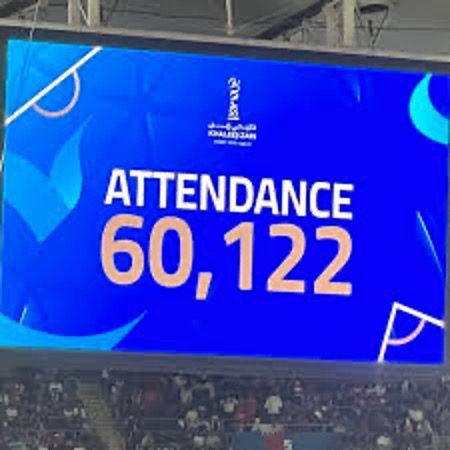
- Around 400,000 total spectators across the tournament, averaging 26,000 per match.
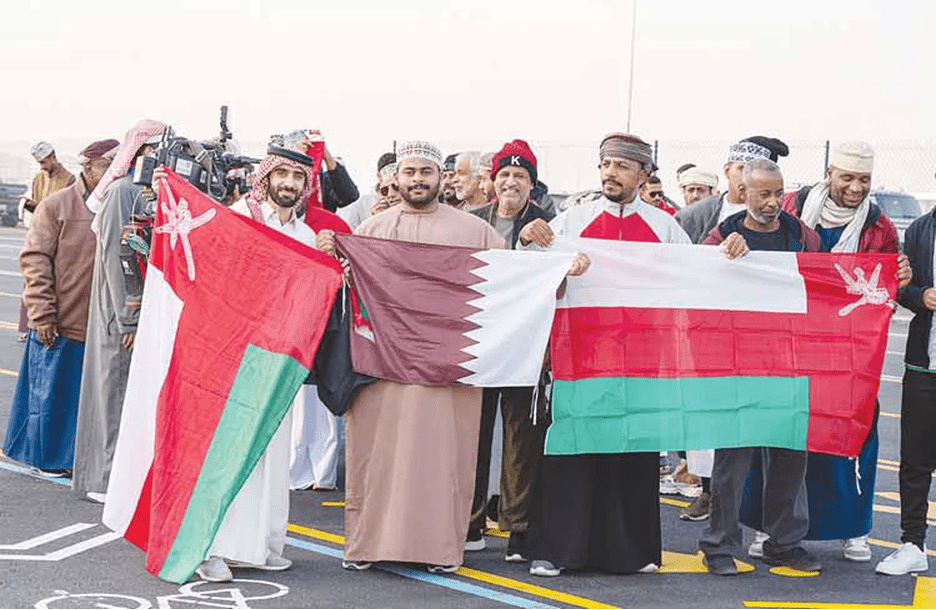
- Eight Gulf nations in the stands, with Kuwait naturally dominating its own home tournament at 188,000 attendees, followed by Saudi Arabia at 84,000, Oman at 36,000, Bahrain at 35,000, Iraq at 25,000, UAE at 13,000, Qatar at 11,000, and Yemen at 5,000.
- The mix matters. Families, solo travellers, and organised fan groups all turned up, and they spread themselves across stadiums, restaurants, and the usual tourist pockets in a way that felt more like a festival than a football tournament.
- Visitors flying in specifically for the tournament
- 69,000 visitors came into Kuwait for Khaleeji Zain 26.
- 44.9% arrived by air. The rest came overland, mostly through the Saudi and Iraqi borders.
The land-border number is the interesting one. Almost half of the tournament traffic did not touch an airport, which means it did not touch the hotels that sit in the airport corridor. That already tells you something about how the accommodation benefit was distributed, and it is not what the hospitality reports wanted to believe.
- Economic return
- Total financial return: 61 million KD (roughly USD 197 million)
- Average daily spend per attendee: 118 KD (USD 380)
- Estimated daily revenue across the tournament: 4 million KD (USD 12.9 million)
A 118 KD daily spend per visitor is a very respectable number. For comparison, the average GCC leisure traveller to Kuwait in a normal month spends well below that. The Gulf Cup visitor was a higher-value guest than the country usually attracts, which makes the rest of this piece harder to write.
- Media and broadcasting
- Television reach: 10 sports channels, 16 million viewers
- GCC viewer penetration: around 26.1%
- Social: TikTok, Instagram, and Snapchat carried match moments and cultural clips into homes across the region, often with more warmth than the official broadcasts managed
What Kuwait Got Right
- The operational side was better than expected
- Ticketing worked. Stadium crowd flow worked. The city did not fall apart on match nights. For anyone who has watched Kuwait organise large events before, this is not a small compliment.
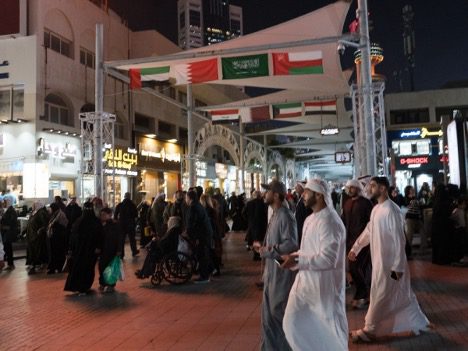
- Al-Mubarakiya, The Avenues, Souq Sharq, and Alshaheed Park all carried their weight as public gathering points. Visitors did not have to invent things to do.
- The cultural exchange felt genuine
- Fan zones, souks, and the spaces around stadiums became mixing grounds where Saudi, Omani, Bahraini, and Iraqi supporters were sharing cars, meals, and conversations with Kuwaitis. That does not happen often in the GCC outside of Hajj.
- A lot of what travelled on social media was not staged content. It was people showing their friends back home that Kuwait was a nicer place than they had been led to believe.
- The word-of-mouth was strong
- EXCPR estimates each visitor shared their experience with at least 10 close contacts, giving the tournament a reach of roughly 2.1 million additional people across the GCC.
- Word-of-mouth is the cheapest tourism marketing there is, and for a few weeks Kuwait had it for free.
How the Tournament Was Actually Marketed
- The Kuwait Airways and Zain alignment carried the operational weight
- Kuwait Airways moved the squads, the officials, and a meaningful share of the fans. Zain carried the broadcast, the branding, and the digital footprint. Between them, they covered most of what a host country usually has to stitch together from a dozen vendors.
- The rest of the private and public sector filled in around the edges. It worked because two anchor partners were willing to own most of the job.
- The advertising was visible but one-note
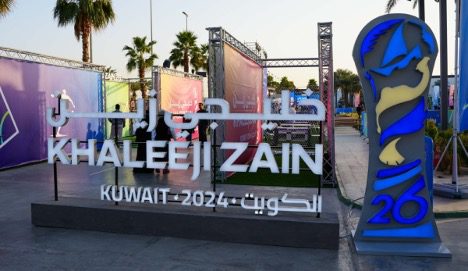
- Street banners and billboards were everywhere. The city looked like a tournament city, which is the minimum bar.
- Sports-themed music and programming gave the event a sonic identity that local radio and TV carried well.
- Social and influencer coverage was steady but reactive. Matches were covered. Highlights were clipped. Nobody built a narrative that gave people a reason to come back in May.
- Activation locations were well chosen
- Al-Murouj, Alshaheed Park, Souq Sharq, The Avenues, and Al-Mubarakiya all hosted fan activations. The geographic spread meant that no single neighbourhood got crushed, which is why the experience felt more polished than it might have in other Gulf cities.
The Part the Hospitality Sector Missed
Here is the uncomfortable reading of the data.
- Kuwait's hotels had their best month in years, and then did very little with it
- The financial return — 61 million KD — flowed through hospitality, retail, transport, and entertainment. That is a real lift for the sector and nobody should pretend otherwise.
- But the majority of Kuwait's hotel operators treated the tournament as a windfall to be collected rather than an audience to be converted. Nobody built a follow-up offer. Nobody captured the details of their Saudi or Bahraini guests for a second-visit campaign. Nobody used the lobby traffic to pitch a summer return. The guests left and took their data with them.
- The national reputation lift was real and unused
- The tournament genuinely improved how the wider GCC sees Kuwait. That kind of brand lift is supposed to translate into bookings in months two, three, and four. For that translation to happen, someone has to be running campaigns against it. I have not seen evidence that the country's hospitality sector is doing the work.
- Sports tourism is a viable pillar only if the country treats it as one
- Sports-driven tourism can be a real and recurring source of demand. Dubai built a meaningful part of its calendar around tennis, golf, rugby sevens, and F1. Saudi is doing the same with boxing, golf, and now football. These countries did not luck into it. They decided to host, then decided to sell, then decided to measure.
Moving Forward
Khaleeji Zain 26 is a useful case study precisely because of the gap between what Kuwait delivered and what Kuwait built on top of it. The operational success is the encouraging half of the story. The tournament proved the country can run a large event without embarrassing itself, which for years was the unspoken question. The commercial follow-through is the half we need to do better on. Hosting is a capability. Converting is a discipline. Kuwait demonstrated the first. It still has not built the second.
At Ali Bahbahani and Partners, we spend a lot of our time on exactly this gap — the distance between a brand moment and a business result. The tournaments, festivals, and cultural events coming down the pipe for Kuwait are opportunities to close it. I would rather the country spent the next one preparing for month two than celebrating month one. The next edition of a tournament like this is where Kuwait should be testing what a proper sports-tourism conversion funnel actually looks like, instead of celebrating the same vanity metrics a second time.